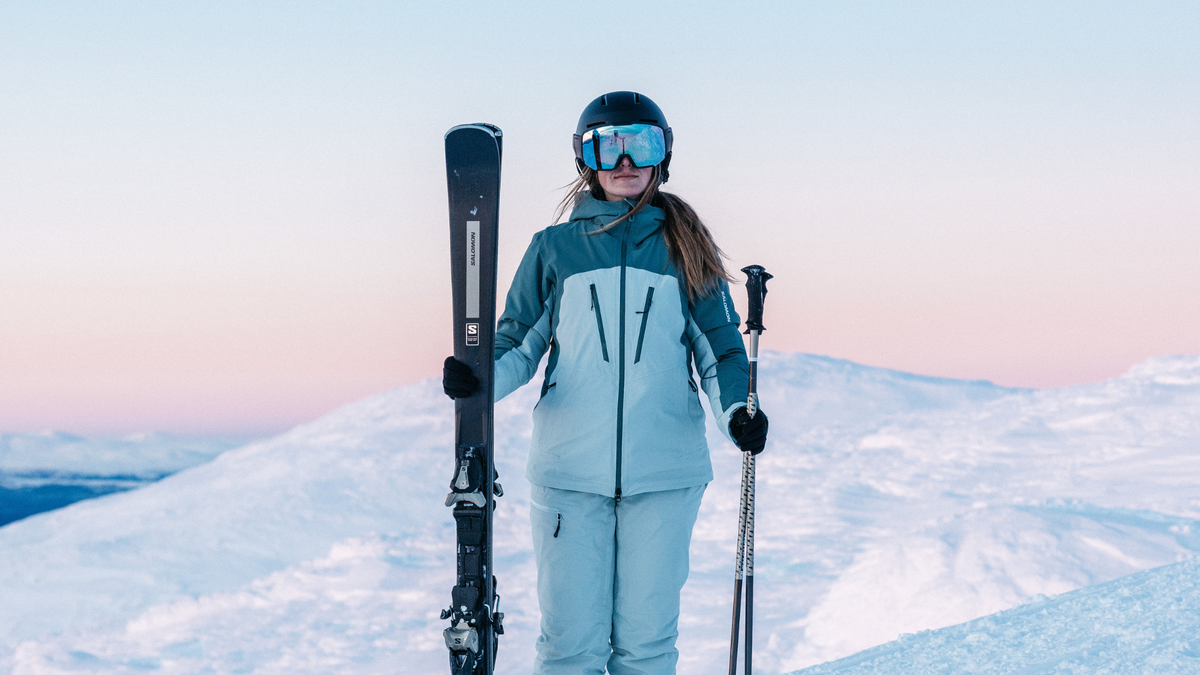
How to Choose and Size Your Ski Poles
If you’ve ever stood in a ski shop surrounded by racks of gear, you’ll know ski poles can seem like an afterthought. But the right ski pole makes a big difference, not just in comfort, but in performance, rhythm, and even injury prevention. Whether you're new to the slopes or looking to upgrade, here’s a guide to help you size and pick the perfect poles for your skiing style.
How to Size Your Ski Poles
Getting the correct pole length is crucial for balance and proper technique.
The Quick Method (In-store or at home):
- Flip the ski pole upside down so the grip is on the floor.
- Grab the pole just underneath the basket (the circular disc near the tip).
- Your elbow should form a 90-degree angle.
If your elbow is more or less bent than 90°, you’ll want to size up or down. It’s a simple check that ensures your poles are helping, not hindering.

Tip: When in doubt, go slightly shorter for freestyle or park skiing, and longer for touring or backcountry.
How to Pick the Right Ski Pole
Ski poles come in a variety of styles and constructions. Here’s what to consider:
1. Material
- Aluminium: Durable, affordable, and heavier. Great for beginners or casual resort skiers.
- Carbon Fibre: Lightweight and strong, but pricier. Perfect for those chasing performance or doing a lot of uphill travel.
- Composite: A blend of materials offering a balance of weight, strength, and flexibility.
2. Grip
Look for a comfortable grip that suits your glove type. Ergonomic rubber grips are standard, while cork and foam options offer more comfort and warmth, especially handy on cold or long days.
3. Straps
- Standard adjustable straps are fine for most skiers.
- Padded or quick-release straps are popular for backcountry or aggressive skiers to avoid wrist injuries during a fall.
4. Baskets
- Standard baskets are great for groomed runs and resort skiing.
- Powder baskets are larger and stop your poles from sinking in deep snow, ideal for backcountry and freeride skiing.
- Interchangeable baskets are available on some models if you ski across a range of conditions.
5. Adjustability
- Fixed-length poles are common for resort skiers.
- Adjustable (telescoping) poles are ideal for touring, splitboarding, or if you like to tweak your setup for different terrain and conditions.
Do Kids Need Specific Poles?
- Yes, kids' ski poles are designed to be lightweight and easy to grip. However, beginners (especially under 10) often don’t need poles at all. It’s best to focus on stance, balance, and movement first before introducing poles into the mix.
A Final Tip: Don’t Overthink It
- Ski poles are a tool, not a gimmick. You want something that feels comfortable in your hands and suits the terrain you ski most often. A well-sized, well-matched pole can help improve rhythm on turns, reduce fatigue, and make the whole mountain feel smoother to ride.
Need Help Finding the Right Pole?
Drop into our store and chat with one of our gear guides, or send us a message online, we’ll make sure you’re matched with a setup that suits your ability, terrain, and goals.